
One Page Is All You Need: Why We Built CallBrief Around a Constraint
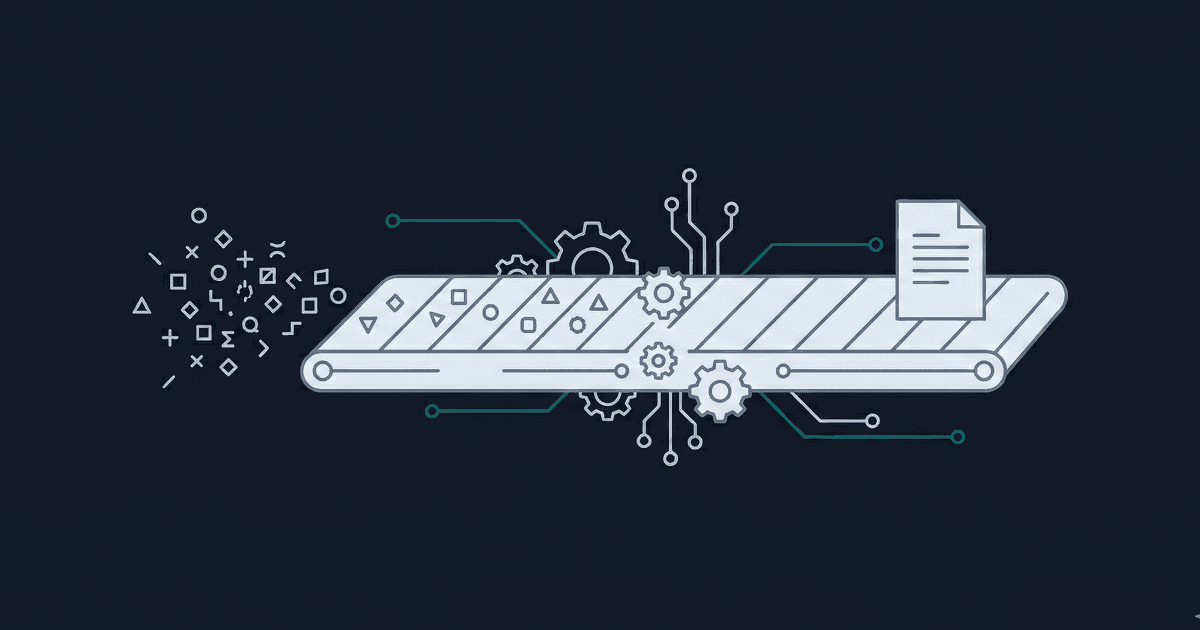
When you ask an AI to help you prepare for a call, it will happily generate pages of content. Background on the person. Company history. Industry analysis. Competitive landscape. Organizational charts. Financial summaries. Strategic frameworks. You end up with a document so thorough that reading it becomes a project of its own. CallBrief.ai was built on the opposite principle: everything fits on one page. That constraint isn't a limitation. It is the product.
Here's why we're convinced it's the right call.
The Preparation Paradox
More information does not equal better preparation. After a certain threshold, more information actively degrades performance. Decision science has documented this for decades: information overload leads to analysis paralysis, reduced confidence, and worse outcomes.
Call preparation follows the same curve. A professional who deeply understands three key insights about their upcoming conversation will outperform a professional who's swimming through twelve pages of research and can't prioritize any of it. The first person walks in with clarity. The second walks in with anxiety.
Every instinct, both human and algorithmic, pushes toward more. More context. More data. More preparation material. Because more feels thorough. More feels responsible. More feels like you're taking this seriously.
But preparation isn't measured by volume. It's measured by what you can actually deploy when the conversation starts.
Why One Page
We made a deliberate choice early in the product's development: the output is always a single-page PDF. Not a multi-page report. Not a scrolling document. Not a dashboard with tabs. One page.
The constraint was debated internally. Won't users feel shortchanged? What about complex situations that need more context? What if the AI surfaces something genuinely important that doesn't fit?
All valid concerns. But the constraint was never about what we could include. It was about what users could actually absorb and use.
We studied how professionals prepare for calls. Not the aspirational version where someone carves out 45 minutes for focused research, but the real version. Preparation happens in compressed windows. The five minutes before Zoom loads. The elevator ride to the conference room. The Uber to the lunch meeting. The gap between one call ending and the next one starting.
In those windows, nobody reads five pages. Most people barely read one. But a well-structured single page, with the most important information visually prioritized and organized for scanning, gets absorbed. It gets internalized. It becomes the foundation for a confident conversation.
Constraints Force Intelligence
The less obvious benefit of the one-page format is what it does to the AI's decision-making.
When output space is unlimited, the system can be lazy about relevance. Include everything. Let the user figure out what matters. That's not preparation. That's a research dump.
When space is constrained to a single page, every sentence competes for inclusion. The system has to make real judgments: Is this fact more important than that one? Is this talking point more actionable than the alternative? Does the user need to know the company's founding year, or is that space better used for the CEO's recent statement about their 2025 strategy?
These are the same editorial decisions a great executive assistant or chief of staff makes when preparing a briefing for a busy leader. The value isn't in gathering the research. The value is in curating it. Knowing what to include, what to cut, and how to structure what remains for maximum utility in minimum time.
The one-page constraint is what transforms CallBrief from a research tool into a preparation tool. Research gives you everything. Preparation gives you what you need.
What Actually Fits
A well-structured one-page brief contains more than most people expect. A typical CallBrief includes a concise profile of the person you're meeting (role, tenure, key background), the most relevant company context (recent developments, strategic direction, anything shaping the conversation), and personalized talking points (specific things to say, ask, and be prepared to answer, built around the intersection of your background and the call's purpose).
That's a distillation, not a summary. Every element earned its place because it's likely to be useful in the actual conversation. Not because it's interesting. Not because it's comprehensive. Because it's useful.
What doesn't make the page matters just as much. The company's founding year stays off unless it's relevant. The interviewer's college graduation date stays off. Generic advice like "be yourself" or "ask good questions" never appears. If it's not specific to this call and this user, it doesn't belong.
Different Calls, Same Constraint
One page doesn't mean one format. The structure of a CallBrief adapts to the type of conversation.
An interview brief emphasizes the interviewer's background and how to align your experience with the role requirements. A sales brief foregrounds the prospect's pain points and competitive positioning. A client review brief highlights relationship history and performance trends. An investor pitch brief focuses on the partner's thesis, portfolio overlap, and likely objection patterns. An internal meeting brief surfaces agenda context, stakeholder priorities, and your specific contribution.
What Users Actually Said
We expected requests for longer output. For the "full version" or the "detailed report." For some signal that one page wasn't enough for high-stakes conversations.
Some early users did ask. But after using the product a few times, the feedback shifted. Users told us the one-page format was exactly right. Not because they didn't want more information, but because they realized they didn't need it. They walked into calls feeling more prepared with a focused single page than they ever felt after hours of unstructured research.
One early user captured it well: "I used to spend 45 minutes researching before a call and walk in feeling 60% prepared. Now I spend three minutes reading my CallBrief and walk in feeling 90% prepared. It tells me exactly what I need and nothing I don't."
The pattern held across call types. Sales reps, job candidates, account managers, founders, team leads. Regardless of the stakes or the complexity, one focused page consistently outperformed longer, less structured alternatives.
Less, But Better
The one-page constraint reflects a broader philosophy about what AI products should do. In an era of abundant AI-generated content, the most valuable thing isn't more output. It's better output. Output that respects your time, understands your context, and delivers precisely what you need to perform.
Every important call deserves preparation. Not every important call deserves an hour of it. One page, built with intelligence and specificity, is enough to walk in confident, informed, and ready for whatever direction the conversation takes.
That's the bet we made when we built CallBrief. And we're more convinced of it now than the day we shipped.
Ready to experience the power of the one-pager?
Generate a Brief Now