
We Built an AI That Writes Call Cheat Sheets. Here's What We Learned.
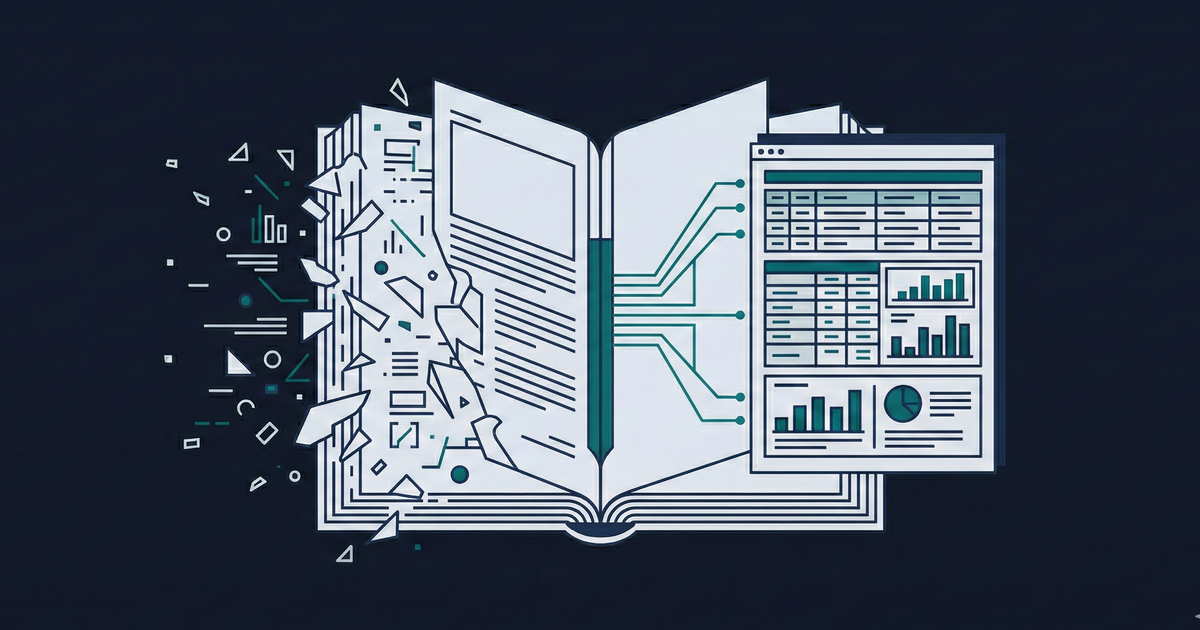
CallBrief.ai started with an observation that seemed almost too obvious: every professional we spoke with had the same problem. Important calls on the calendar, not enough time to prepare properly, and a recurring scramble through LinkedIn, Google, and browser tabs that rarely produced anything structured or useful. So we built an AI tool that generates one-page preparation briefs for job interviews, sales calls, internal meetings, client reviews, and investor pitches.
We thought the hard part would be the AI. It wasn't. The hard part was understanding what people actually need when they say they want to be "prepared."
Lesson 1: People Don't Want More Information
Our first instinct was to be comprehensive. Early prototypes generated multi-page documents packed with everything we could find about a person and their company. Background, career history, financials, recent news, social media activity, org structure, competitive landscape. Pages of context.
Nobody used them.
The feedback was consistent: "This is a lot of great information, but I don't know what to do with it. I have five minutes. Tell me what matters."
The shift from "here's everything" to "here's what matters" was the most important product decision we made. It forced us to build judgment into the system, not just research capability. The AI needed to determine what's relevant for this specific person, for this specific call, given this specific context.
A job candidate interviewing for a product role at a fintech company doesn't need the full org chart. They need to know the company just pivoted from B2C to B2B, that the PM interviewing them came from Stripe and values quantitative thinking, and that the team tripled in size over the past year. Which means they should prepare stories about scaling, ambiguity, and data-driven decisions.
Compression is harder than expansion. Generating a ten-page research dump is trivial. Generating a one-page brief that contains exactly the right information requires understanding what "right" means for each situation. That's a fundamentally different problem.
Lesson 2: Research and Talking Points Are Two Separate Problems
We discovered early on that call preparation involves two distinct cognitive tasks. The first is research: gathering facts about the person, the company, and the context. The second is synthesis: converting those facts into things you can actually say during a conversation.
Most people are willing to do the research (or at least attempt it). Almost nobody is good at synthesis. They'll spend 30 minutes reading about a company and walk into the call unable to articulate a single insight that connects what they learned to the conversation they're about to have.
This is why talking points are baked into the core product, not treated as a nice-to-have. Every CallBrief doesn't just describe what you should know. It tells you what to say, what to ask, and what to be ready to answer. The talking points are constructed at the intersection of the user's background and the call's context, which is what makes them specific rather than generic.
Building this required thinking about prompt engineering differently than most AI products approach it. We're not summarizing documents. We're synthesizing multiple information streams through the lens of a user's unique situation to produce actionable conversational guidance. Different task. Different architecture.
Lesson 3: One Page Is the Product, Not a Limitation
When we tell people that CallBrief generates a single-page PDF, the most common first reaction is "only one page?" followed by concern that we're leaving out important information.
The one-page constraint is the product's most important feature.
Call preparation happens in compressed time windows. The elevator. The Uber. The two minutes before Zoom finishes loading. A document that requires focused reading time is a document that doesn't get read. One page is what you can absorb in three to five minutes, and that's the exact preparation window most professionals have.
The constraint also forces the AI to make editorial decisions about importance and relevance. When you have unlimited space, you can include everything and let the reader sort it out. When you have one page, every sentence has to earn its place. The system decides what matters most. That decision-making is a huge part of the value.
We tested longer formats. Users consistently preferred the one-pager. They reported feeling more prepared with it than with five-page documents, because they actually read and internalized the one-pager. The longer document got skimmed at best, ignored at worst.
Lesson 4: Every Call Type Needs Its Own Intelligence
Early assumption: call preparation is the same regardless of context. Research the person, research the company, build talking points. Universal process.
Wrong.
For a job interview, the emphasis is on aligning your experience with the role requirements and the company's current trajectory. The interviewer's background matters because it shapes their evaluation criteria. Recent company news matters because it reveals strategic priorities you should reference.
For a sales call, the emphasis shifts to pain points, trigger events, and competitive positioning. The person's role matters because it determines budget authority and buying criteria.
For a client account review, the emphasis is on relationship history, performance trends, and strategic recommendations. Backward-looking and forward-looking in equal measure.
For an investor pitch, the emphasis is on portfolio fit, thesis alignment, and preparing for specific objection patterns based on the partner's known tendencies.
For an internal meeting, the emphasis is on agenda context, stakeholder priorities, and your specific contribution.
Five call types. Five different research priorities, output structures, and talking point formats. We built modular AI systems specialized for each rather than trying to force one generalist system to handle them all. The difference in output quality is substantial.
Lesson 5: Specificity Is the Entire Game
The single most important predictor of whether a user rates their CallBrief as helpful is specificity. Generic is death. Specific is value.
Users don't want "ask about their growth plans." They want "the company grew 40% last year and the CEO said on the Q3 earnings call they're investing heavily in enterprise. Ask how that shift is affecting the team's priorities and hiring plans."
Building for specificity meant being aggressive about incorporating concrete details from research: names, numbers, dates, quotes, specific events. If the AI generates a talking point that could apply to any company or any interviewer, it has failed the test. The output should be so targeted that it could only be about this call, with this person, at this company.
This focus on specificity is also what makes the product defensible. Generic AI call prep is easy to clone. Deeply specific, context-aware preparation that synthesizes multiple data sources through the lens of a user's unique situation is a much harder problem to solve well.
What's Next
We're still learning. Every new call type, every edge case, and every piece of feedback about what helps versus what's noise makes the system sharper.
The core thesis hasn't changed since day one: every professional deserves to walk into every call feeling prepared and confident. The tools to make that possible at scale are finally here. We're building them as fast as we can.
Ready to experience better call prep?
Stop scrambling before important meetings. Let AI do the research and synthesis for you.
Generate Your First Brief