
How to Prepare for a Client Account Review That Builds Trust
The real purpose of an account review isn't to report numbers. It's to prove you understand the business behind them.
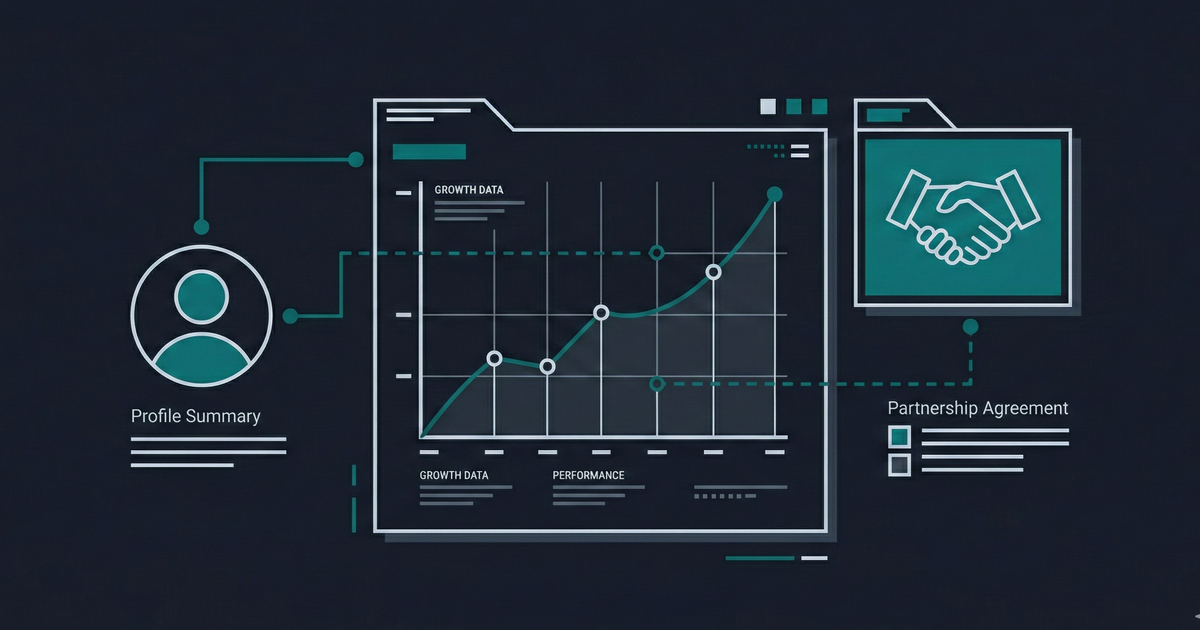
Your client can tell within five minutes whether you've done your homework. The quarterly business review, the account check-in, the annual planning session: these are the meetings where trust is either reinforced or quietly eroded. CallBrief.ai generates one-page briefs specifically for account reviews, synthesizing relationship history, performance data, and strategic context into something you can actually use before you walk in the room.
Because the real purpose of an account review isn't to report numbers. It's to prove you understand the business behind them.
What Account Reviews Are Actually About
On the surface, an account review is a structured check-in. Here's how things are going. Here's what we've delivered. Here's what's next. Most teams treat it as a reporting exercise. Pull the metrics. Build the slides. Walk through the data.
But the client isn't sitting in that meeting to hear numbers they could read in a dashboard. They're answering a deeper question: does this team actually understand my business, or are they going through the motions? The teams that keep clients for years are the ones who use the account review as a strategic conversation, not a status readout.
The Three Dimensions of Account Review Prep
1. The Relationship History
Before any account review, you need a clear picture of the full relationship arc. When did this client come on board? What were the original goals? How has the scope evolved? What wins have you delivered together? What problems came up, and how were they resolved?
2. Their Business Context
Your client's priorities don't exist in isolation. They're shaped by what's happening at their company, in their industry, and in the broader market. Research the client's recent news, public filings, executive statements, and relevant industry developments. Look for anything that might affect their budget or their strategy.
3. The Numbers and What They Mean
Metrics are the foundation of an account review, but raw data alone isn't enough. Your client expects you to have analyzed the results, identified patterns, and formed a perspective on what the numbers mean. Organize your metrics into a narrative. What's improving? What's declining? What's flat?
Building Your Talking Points
With research done, structure your talking points around three areas.
- Wins and momentum. Lead with progress. What has the partnership delivered since the last review? Be specific: numbers, timelines, outcomes tied to goals the client cares about.
- Challenges and accountability. Address problems before the client raises them. For each issue, bring a diagnosis and a proposed solution.
- Strategic recommendations. This is what separates a vendor from a partner. Based on everything you know about their business, their data, and their goals, what should the next quarter look like?
Protect your revenue with better preparation.
A quarterly account review is a 60-minute window that shapes a client's perception for the next 90 days. Let AI build your prep sheet.
Generate a Client Review Brief